

文章: What to Know Before Designing a Custom Engagement Ring
What to Know Before Designing a Custom Engagement Ring
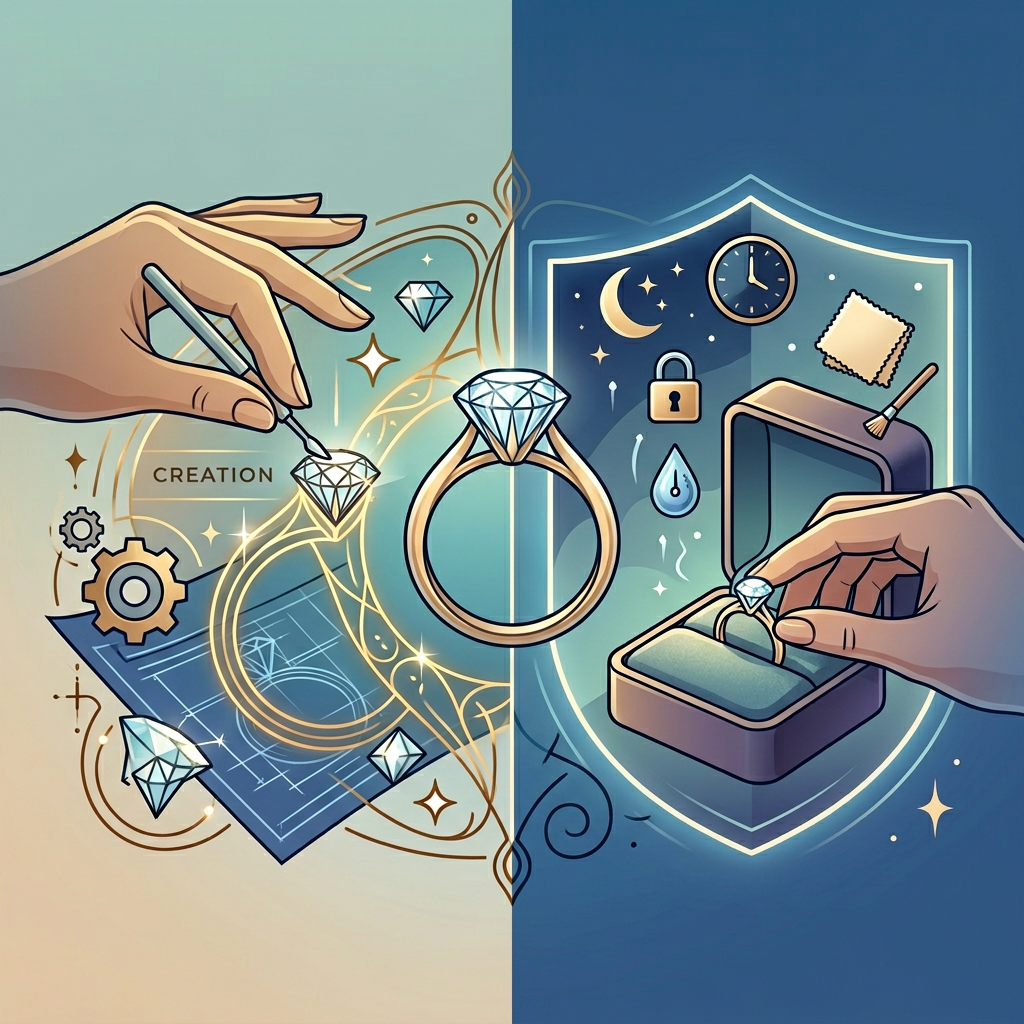
Designing an engagement ring from scratch is one of the rare purchases that asks for both emotion and precision. It is about marking a commitment, of course, but it is also about making hundreds of small choices that shape how the ring looks, feels, wears, and lasts.
A custom ring gives you freedom that ready-to-wear jewellery cannot always offer. You can shape the proportions, select the stone, refine the setting, and build a piece that reflects a relationship rather than following a template. That freedom is exciting, though it works best when it is paired with a clear process and the right craftsperson behind it.

Start your custom engagement ring design with a clear brief
Before sketches, stone sourcing, or metal samples, it helps to know what you are trying to create. A custom engagement ring is not only a visual exercise. It should suit the wearer’s daily habits, personal style, and expectations around maintenance. A ring that looks perfect in a photo may not be the best choice for someone who works with their hands, prefers low-profile jewellery, or wants a design that sits neatly with a future wedding band.
It also helps to separate inspiration from imitation. Saving reference images is useful, but the strongest custom rings do not simply copy another piece. They take cues from shape, scale, texture, or era, then turn those ideas into something more personal. That is where design starts to feel considered rather than generic.

A strong brief often covers a few essentials before the first formal design conversation:
● Centre stone: diamond, sapphire, emerald, moissanite, or another gemstone
● Style direction: classic solitaire, vintage-inspired, modern sculptural, halo, trilogy, or minimalist
● Lifestyle needs: low setting, durable metal, easy cleaning, secure claws
● Sentimental details: hidden stones, engraving, cultural motifs, heirloom elements
Clarity at this stage saves time later. It also helps your jeweller guide you with confidence, because they can respond to a real set of priorities rather than a vague mood board.
How to choose a custom engagement ring jeweller
Not every jeweller approaches custom work in the same way. Some adjust existing designs, while others create rings from the ground up — including stone sourcing, CAD development, and hand-finishing. If you are commissioning a custom engagement ring, that difference can have a real impact on the final result.
An experienced jeweller can also help you avoid issues early on. Small adjustments — such as refining the claw shape for better security, lowering a setting so it catches less, or choosing a more suitable metal — can make a noticeable difference over time. These details may not always be obvious in a render, but they play a big role in how the ring wears day to day.
At PurpleMay Jewellery, custom work is approached with both design and craftsmanship in mind. Since 1998, the team has been involved in multiple stages of the jewellery process, from gemstone sourcing and setting to 3D design development. Bringing these elements together allows for a more considered and practical outcome, rather than treating design and production as separate steps.
For many clients, the experience itself also matters. A custom ring is a personal piece, and the process should feel collaborative and clear. At PurpleMay, there is a strong focus on communication throughout the process, along with a long-standing commitment to supporting and training women in technical workshop roles.
A good jeweller should be able to clearly explain the reasoning behind each design decision, so you understand not just how the ring looks, but how it will perform over time.

Comparing diamonds, coloured gemstones and precious metals
The centre stone is usually the emotional focal point of the ring, but the metal and setting will shape the final look just as much. When selecting a stone, think beyond size alone. Cut quality, proportions, light return, durability, and overall balance are all part of the picture.
Diamonds remain the traditional choice because of their brilliance and durability, though they are far from the only option. Sapphires can bring rich colour and excellent hardness. Emeralds offer unmistakable character, though they require more care. Oval, cushion, round, emerald-cut, and pear shapes each create a different mood, and each interacts differently with halos, claws, and band width.
Metal choice is equally important. White gold, yellow gold, rose gold, and platinum all carry their own visual language and practical considerations. Some suit cooler-toned diamonds better, while others flatter warm skin tones or vintage-inspired designs.

|
Metal |
Visual character |
Strengths |
Considerations |
|
Platinum |
Cool white, substantial |
Durable, naturally white, premium feel |
Heavier, often higher in price |
|
18ct White Gold |
Bright white, refined |
Classic engagement ring look, strong |
Usually needs rhodium plating over time |
|
18ct Yellow Gold |
Warm, rich |
Timeless, flattering on many skin tones |
Can make very white stones appear warmer |
|
18ct Rose Gold |
Soft pink warmth |
Romantic tone, distinctive |
Less traditional, colour preference is highly personal |
If you are balancing aesthetics with day-to-day practicality, ask to see stones and metals together rather than making each decision in isolation. A diamond that appears crisp in platinum may look softer in yellow gold. A coloured gemstone may come alive in one metal and lose some of its depth in another.
Another point often missed is finger coverage. A narrow finger can make a modest stone appear larger, while a wide band can make the centre stone feel smaller unless proportions are adjusted. This is where experienced design guidance becomes especially useful.
Custom engagement ring design details that change the look and feel
The most memorable rings are often shaped by small design decisions rather than one dramatic feature. Claw style, band thickness, gallery height, and the transition between shoulder and setting all affect the final personality of the piece.
A four-claw solitaire can feel light and modern. Six claws often read as classic and secure. A cathedral setting adds lift and presence, while a bezel gives a cleaner outline and more protection around the stone. Hidden halos, knife-edge bands, tapered shoulders, and fine pavé can all sharpen the design, though each detail brings its own maintenance profile.
Comfort should sit beside beauty in every conversation. If the wearer wants a ring that stays elegant during work, travel, and everyday errands, the design needs to respect that. High settings can feel dramatic, yet they are more likely to catch. Very thin bands can look delicate, yet may not be the best choice for long-term wear if the design is not structurally balanced.

When reviewing a design, keep an eye on:
● band width and thickness
● setting height
● claw shape
● wedding band fit
● ease of cleaning
● overall balance on the finger
These are the details that turn a ring from visually appealing into genuinely wearable.

Budget, timing and 3D rendering in custom engagement rings
A custom ring budget is not only about the centre stone. Labour, metal weight, setting style, side stones, complexity, and finishing all contribute to the final price. That is why two rings with similar-looking stones can sit in very different price ranges.
It helps to be direct about budget from the beginning. A good jeweller can then guide you towards the smartest allocation of funds. You may decide that cut quality matters more than carat weight, or that a stronger metal and excellent setting work are worth prioritising over extra embellishment. Those decisions often create a better ring than simply stretching for the biggest possible stone.
Many modern jewellers use CAD and 3D rendering to refine designs before production. PurpleMay’s long experience in design visualisation is relevant here, because renders can help clients assess proportions, profile, symmetry, and fine details before the piece moves into manufacturing. This stage is especially useful if you are combining several references into one original concept.
Timing also matters more than many people expect. Stone sourcing, design revisions, rendering approval, production, setting, and final finishing all take time. If the ring is needed for a proposal, wedding, overseas travel, or family event, build in margin rather than working to the last possible day.

A realistic timeline often includes:
● Consultation phase: discussing style, stones, budget, and practical needs
● Design phase: sketches, CAD, 3D rendering, and refinements
● Production phase: casting or fabrication, setting, polishing, quality checks
● Collection phase: final fit, presentation, and any last adjustments
Rushed work can limit your options. A little extra time usually means better stone selection, calmer decisions, and a stronger final result.
Ethical sourcing, craftsmanship and long-term care for a custom engagement ring
More clients are asking where their stones come from, how the ring is made, and whether the process reflects responsible values. That shift is a positive one. Fine jewellery is built to last, so the standards behind it matter.
Ask direct questions about stone provenance, metal sourcing, workshop practices, and what quality control looks like before the ring is handed over. If a jeweller has deep experience across sourcing and production, they should be able to speak clearly about how materials are selected and how workmanship is assessed.
PurpleMay has also expressed a growing commitment to ethical and sustainable practices as part of its future direction. For clients, that can make the custom process feel more grounded, especially when paired with the brand’s longstanding focus on craftsmanship and its support for women within technical jewellery roles.

Care should be part of the design conversation, not an afterthought:
● Cleaning routine: ask how often the ring should be cleaned at home and professionally checked
● Stone security: claws and settings should be inspected periodically, especially after knocks
● Metal maintenance: white gold may need replating, while platinum develops a patina over time
● Insurance and valuation: arrange these soon after purchase for peace of mind
A custom engagement ring should not feel precious in the sense of being difficult to wear. It should feel precious because every element has been considered.

Why the best custom engagement rings feel personal, not complicated
The process can seem intricate at first, yet it becomes far easier once the right questions are on the table. What suits the wearer’s life? Which details matter emotionally? What balance of beauty, durability, and budget feels right? With those answers in place, the design starts to take shape with real purpose.
That is when custom work becomes especially rewarding. You are not selecting from a shelf. You are creating a ring that reflects taste, intention, and craft in equal measure.
Whether the design is a restrained solitaire or a more expressive piece with sculptural details, the strongest result usually comes from patience, technical guidance, and a jeweller who can translate ideas into something lasting. In a space where symbolism matters so much, that level of care is never excessive. It is exactly the point.


发表评论
此站点受 hCaptcha 保护,并且 hCaptcha 隐私政策和服务条款适用。